

Whoa!
I first installed a browser wallet because I was tired of wallet UX that felt like guesswork. Seriously, wallets used to be one wrong click away from a costly mistake. My instinct said: find tools that force you to think twice before signing. Initially I thought that all extension wallets were roughly the same, but then I started noticing patterns that separated the safe from the sketchy. Actually, wait—let me rephrase that: some wallets nudge you toward safer choices, and Rabby stood out to me for that reason.
Okay, so check this out—
Rabby is a browser-extension wallet that aims for safer DeFi interactions by merging usability with security checks. I’m biased, but good UX matters when you’re about to sign a multi-thousand-dollar transaction. On one hand, flashy dashboards are nice; though actually, if the wallet obscures permission details that’s a red flag. Something felt off about early wallet designs: they made confirmations too easy to accept. My experience with Rabby was more deliberate — it made me scan transactions differently.
Hmm…
Here’s what bugs me about many wallets: they present approval dialogs that look like a one-line toss-away. That part bugs me. With DeFi, approvals can be effectively unlimited if you aren’t careful. So I started treating approvals like file permissions on my computer, and that mental model changed how I interact with contracts. Over time I tested dozens of dapps and watched which wallets protected me from accidental over-approval.
Really?
Rabby’s approach includes extra context around approvals, and transaction previews that try to translate what a contract wants you to do into human terms. I’m not 100% sure everything is perfectly interpreted, but it’s a net improvement. When a wallet shows the exact token, amount, and allowance target clearly, you tend to catch suspicious requests sooner. On complex transactions, Rabby gives you a simulation or at least an estimated breakdown, which is helpful for catching nonsensical gas or token flows. My gut says those layers save people from simple mistakes.
Whoa!
Security basics still matter: use a seeded hardware wallet when dealing with large amounts, segment funds across accounts, and avoid approving unknown contracts. I’m repeating myself because it’s worth repeating. Rabby supports connecting hardware devices, so you can keep keys offline while still using the browser convenience. (oh, and by the way… keep your firmware updated.)
Hmm…
Initially I thought a secure wallet had to be clunky, but then I realized better UX reduces human error. There is a trade-off between information overload and useful detail. Rabby tries to hit the sweet spot by highlighting permission scope and providing a permissions manager for inspecting active allowances. On some chains this is more mature than others, though the general idea carries across ecosystems.
Okay.
Here are practical habits I use with Rabby and other wallets: review all approvals, set spend limits instead of infinite allowances, and use ephemeral accounts for airdrops or low-risk ops. I’m not perfect; I’ve clicked past prompts in a hurry, and that was humbling. Also, it’s smart to simulate transactions on a testnet or forked RPC if you’re about to interact with unfamiliar contracts. Somethin’ as small as a misleading token name can cost real money.
Really?
One feature I appreciate is the ability to inspect previous approvals and revoke them if needed. That manager-style view turns passive risk into active maintenance, which matters over months of DeFi activity. On another note, Rabby integrates with common dapp flows without forcing you to compromise safety for convenience. If you pair it with a hardware wallet, you get an extra verification step that reduces phishing risks even further.
Whoa!
Let me give you a quick anecdote from my own testing: I once connected to a forked exchange that asked for an unlimited approval by default. I almost accepted it because the UI was a single, friendly green button. My gut said stop. I cancelled and opened Rabby, scanned the approval details, and noticed the allowance pointed to an unfamiliar contract address. That pause saved me a messy cleanup. That moment taught me that a little friction is good friction.
Hmm…
Rabby isn’t a magic shield, though. On the one hand it reduces some attack surfaces; on the other, it cannot protect against a user broadcasting a malicious transaction knowingly. There’s also the ecosystem risk—phishing sites, fake tokens, and compromised RPC endpoints can still cause trouble. I’m careful with network RPCs and avoid random third-party providers unless I’ve vetted them. Sometimes you gotta be your own security team.
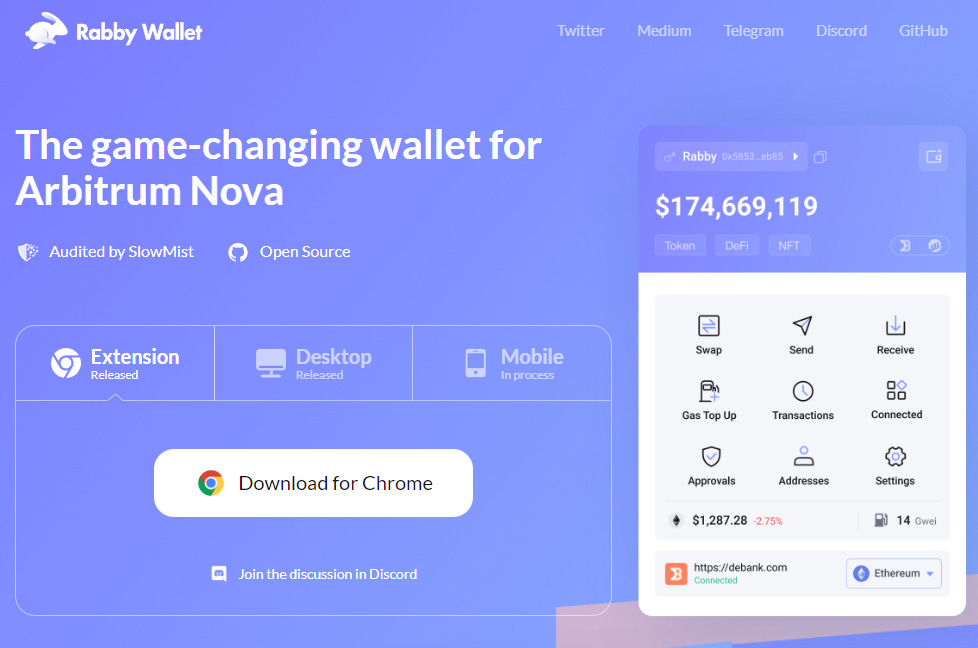
How I Install and Vet Rabby (step-by-step)
Here’s a short checklist I use before trusting any new wallet: check the extension source and reviews, confirm developer channels, look for hardware wallet support, and run a small test transaction. I’m not 100% paranoid, but cautious enough to avoid rookie mistakes. If you want to try it yourself, you can get the rabby wallet download and then run the steps below. First, install into a fresh browser profile. Second, connect a small test account and send a tiny amount to a dapp to observe the flows.
Really?
Next, inspect approvals and revoke anything that looks off, and check if the wallet flags any unusual transactions. On complex swaps, pay attention to slippage and the path the swap takes. If a contract asks to move tokens you didn’t expect, cancel and investigate. I’m biased toward manual checks, because automation can’t replace intuition.
Whoa!
One more tip: keep a ‘hot’ account for daily interactions, and stash the bulk of your funds in a cold or hardware-managed account. This separation lowers the blast radius of a compromise. It sounds obvious, but people forget. Also, use different accounts for different protocols—mixing assets across one address makes tracing and remediation harder if something goes sideways.
FAQ — Quick answers based on practical testing
Is Rabby safer than typical browser wallets?
It depends on what you compare it to. Rabby emphasizes clearer permission dialogs and transaction previews, which reduces common human errors. However, no extension can fully prevent social-engineering or phishing, so pair it with hardware devices and good habits.
Can Rabby work with hardware wallets?
Yes, Rabby can interface with hardware devices so that most signing happens offline, which is a key mitigation for large balances. Even so, watch the on-screen details and confirm addresses carefully before approving any transaction.