

Okay, so check this out—I’ve used a handful of wallets in the Solana world. Wow! My first impression was: fast, lightweight, and oddly friendly. At first it felt like a toy. But then I started using it for real trades and things got serious, fast.
Whoa! The Solana ecosystem moves at a pace that can make your head spin. Seriously? Transactions confirm almost instantly. My instinct said it would be flaky, though actually the performance shocked me. Initially I thought network congestion would ruin the experience, but then I realized Solana’s throughput and fee structure change the math entirely.
Here’s the thing. Browser extensions for crypto wallets are convenience engines—and attack surfaces. Hmm… I’m biased, but I prefer a clean UI that doesn’t pretend to be a bank. This part bugs me: permissions dialogs are often vague. I want clear, not cryptic.
So what makes a solid sol wallet extension? Short answer: trust, usability, and security in balance. Longer answer: it takes careful engineering, thoughtful UX, and a product team that actually listens to users. On one hand you need developer-friendly features like RPC selection and program signing; on the other, average users must not be terrified before they send their first transaction.
Something felt off about wallets that hide advanced controls. Hmm. My instinct said power users will bypass the defaults anyway. Actually, wait—let me rephrase that: the best extensions nudge new users toward safe behavior while letting pros tweak settings under the hood.
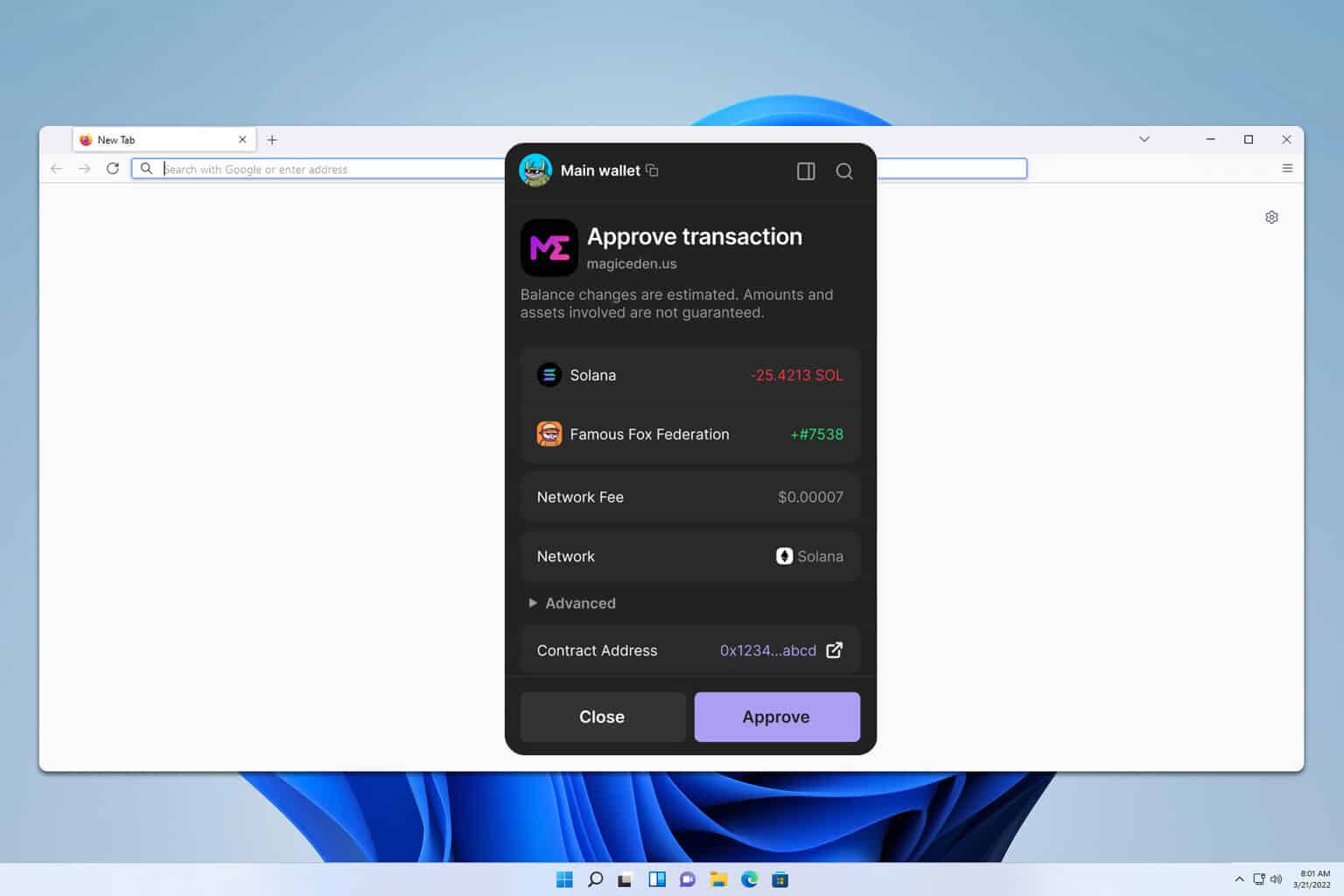
What I Look For in a Phantom Wallet Experience
Whoa! Accessibility matters. Short prompts are good. Medium-length explanations help. Long-term reliability, however, is the real differentiator, because once you have funds involved you want predictable behavior—even during surges when everyone and their cousin is minting NFTs.
I’ll be honest: I judge extensions by a few practical things. Does it remember my preferred network? Does it let me add custom RPCs? How easy is it to export or restore a seed phrase? Those are the basics. But beyond that I watch for subtle cues—error messages that actually tell you what went wrong, not just “failed.”
On the topic of phantom wallet specifics, it’s both user-friendly and surprisingly powerful. My gut reaction the first week was: “Wow, why didn’t I switch earlier?” But then I ran into a tiny bug with token display that made me raise an eyebrow. Somethin’ about token metadata handling can be messy, especially for new SPL tokens that haven’t propagated widely.
Okay, so check this out—there’s a link to get the extension if you want to try it. I recommend using the official channel and validating details before installation. phantom wallet download extension
Short thought: always verify. Medium thought: confirm the extension ID and source. Long thought: use a hardware wallet where possible and treat the browser extension as a convenient ledger for daily interactions while keeping bulk holdings in cold storage, because human error is the main threat, not theoretical cryptographic breaks.
At moments I’m excited and then skeptical. The excitement comes from speed—transactions that confirm in a second feel futuristic. The skepticism comes from the reality that browser extensions can be phished or cloned. So you need habits: bookmarks for the dapps you trust, careful review of popup permissions, and a little paranoia. It’s healthy paranoia, not crippling.
On one hand the UX glosses over complexity, which helps adoption. On the other hand, the gloss can hide dangerous defaults. I saw a friend accept an approval request that let a contract spend unlimited tokens. Yikes. I still get chills thinking about it. Teachable moment: limit allowances and revoke them when you’re done. Very very important.
Here’s a bit of personal history. I started on Ethereum months ago, juggling MetaMask and browser tabs. Then a colleague showed me an app on Solana that loaded instantly. My immediate reaction was jealousy, then curiosity, then migration. The move wasn’t perfect. I lost track of an airdropped token once because of a naming mismatch—so yeah, the ecosystem is young and messy in places.
Something else: developer tooling around Solana has matured. There are better wallets, improved SDKs, and extensions that support devnet/testnet modes, which I use constantly. Initially I thought dev tools would be the same everywhere, but they’re not—the integration the Phantom team built into the extension is thoughtful and saves me time when debugging contract interactions.
Okay, quick sidebar (oh, and by the way…)—if you’re setting up a new wallet, write your seed phrase on paper and store it in a real safe. Seriously. Don’t screenshot it. Don’t paste it into cloud notes. I’m not preaching perfection, just practical risk reduction.
Now, a bit of nuance about security. Browser extensions are a balance between convenience and risk. If you keep everything in the extension, a compromised machine or a malicious extension could be disastrous. On the flip side, the convenience of a well-built solana wallet extension enables real-time participation in drops and AMM trades. For me, it’s a tradeoff I manage with discipline: small daily balances in the extension, larger amounts in hardware.
I’m not 100% sure about every new feature the teams roll out. Sometimes a new convenience feature creates edge cases. For example, batch approvals or auto-approvals for certain dapps can be helpful, but they require trust. On one hand they reduce friction; on the other, they expand risk surface area. My working plan is conservative: enable only what I need, test in devnet, then flip to mainnet.
Also: interfaces evolve. The extension UI updates periodically with new features and sometimes small regressions. That is human. It drives me nuts when a setting I relied on moves. But it also shows active maintenance, and overall I’d rather a product that iterates than one that stagnates. Can’t have both perfect and innovative, right?
FAQ
Is Phantom safe to use as my primary Solana wallet?
Short answer: it can be, with care. Keep large holdings in cold storage. Use the browser extension for daily interactions. Medium answer: follow best practices—verify sites, limit token approvals, and use hardware wallets when supported. Long answer: security is layered; the wallet is one piece, your device hygiene and behavior are equally important, and the ecosystem’s security depends on software updates and user education over time.
Can I use Phantom across devices and browsers?
Yes. You can install it in different Chromium-based browsers and sync manually via seed phrase or use wallet connect-like flows. I’m biased toward Chrome and Brave for extensions because of their extension ecosystems, but your mileage may vary. Also, be careful copying seeds across devices—prefer manual transfer over digital means when possible.
What should I do if I see a suspicious approval request?
Stop. Really, just stop. Check the dapp URL, verify the transaction details, and if anything smells off, don’t approve. Revoke allowances if you accidentally approved something. Use on-chain explorers to audit allowances and transaction histories. And remember: you can always export your keys and move funds if you suspect compromise.